
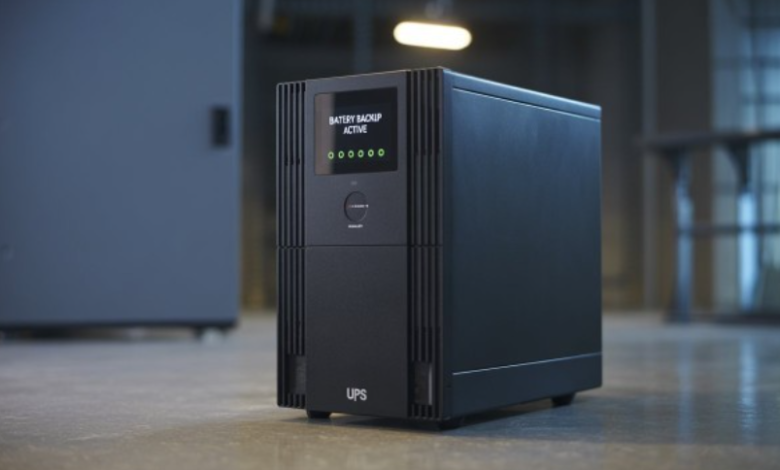
In today’s digital and technology-driven world, uninterrupted power is crucial for businesses, homes, and critical systems. Power outages, voltage fluctuations, or unexpected electrical failures can cause significant damage, data loss, and operational downtime. This is where an uninterruptible power supply UPS plays a pivotal role. By providing reliable backup power and protection, UPS systems ensure that sensitive electronics continue to operate seamlessly even during power disturbances.
What is an Uninterruptible Power Supply UPS?
An uninterruptible power supply UPS is an electrical device that provides emergency power to a load when the main power source fails. Unlike a simple backup generator, a UPS provides instantaneous protection from power interruptions, ensuring zero downtime. UPS systems are commonly used for computers, data centers, telecommunications equipment, and other critical systems where sudden power loss can have severe consequences.
UPS systems can also regulate voltage, filter electrical noise, and prevent damage caused by surges or spikes. Essentially, they act as a buffer between your equipment and the unpredictability of the electrical grid.
See also: Latest News and Developments: 100 Day Dream Home Lawsuit Update
Types of Uninterruptible Power Supply UPS
Understanding the types of UPS systems helps in selecting the right one for your needs. The three primary types are:
- Offline/Standby UPS
This type is most suitable for personal computers and small office setups. It remains idle during normal power operation and switches to battery backup when a power failure occurs. While cost-effective, its switching time is slightly slower compared to other types. - Line-Interactive UPS
Designed for environments with frequent voltage fluctuations, line-interactive UPS systems can correct minor power irregularities without switching to battery. This type provides better protection for small servers and network devices. - Online/Double-Conversion UPS
The most robust solution, online UPS systems provide continuous, clean power by converting incoming AC power to DC and then back to AC. They are ideal for data centers, medical equipment, and high-end industrial applications where even a millisecond of power loss can be critical.
Key Features and Benefits
Investing in a high-quality uninterruptible power supply UPS provides several advantages:
- Continuous Power Supply: Ensures devices operate without interruption during outages.
- Voltage Regulation: Protects equipment from harmful voltage fluctuations.
- Surge Protection: Safeguards sensitive electronics from spikes caused by lightning or power surges.
- Data Protection: Prevents loss of critical data in computers and servers.
- Extended Equipment Life: Reduces wear and tear caused by inconsistent power.
Applications of UPS Systems
UPS systems are used across multiple sectors, including:
- Information Technology: Servers, data centers, and network devices.
- Healthcare: Medical equipment such as MRI machines and life-support systems.
- Telecommunications: Network switches, routers, and communication devices.
- Industrial: Manufacturing plants and control systems.
- Home Use: Personal computers, smart home systems, and entertainment equipment.
How to Choose the Right UPS
Selecting the appropriate uninterruptible power supply UPS depends on several factors:
- Power Requirements: Calculate the total wattage of all devices that need backup power.
- Runtime: Determine how long the UPS should sustain devices during an outage.
- Form Factor: Consider whether a desktop, rack-mounted, or floor-standing UPS is suitable.
- Features: Look for features like LCD displays, battery replacement options, and software monitoring.
- Budget: Balance cost with reliability and features to ensure long-term protection.
Maintenance Tips
A UPS is only as effective as its maintenance allows. Key maintenance practices include:
- Regularly checking battery health and replacing old batteries.
- Ensuring the UPS is operating in a cool, ventilated environment.
- Testing the system periodically to confirm proper functionality.
- Updating firmware or software if applicable for monitoring UPS performance.
FAQs About Uninterruptible Power Supply UPS
Q1: How long does a UPS last?
The lifespan of a UPS depends on usage, battery type, and maintenance. Typically, batteries last 3–5 years, while the UPS unit itself can last 7–10 years with proper care.
Q2: Can I connect a UPS to any device?
Most UPS systems are designed for electronics with moderate power consumption. High-power devices like air conditioners may exceed the UPS capacity.
Q3: Is a UPS necessary for home use?
Yes, especially in areas with frequent power outages, as it protects computers, routers, and home entertainment systems from damage.
Q4: What is the difference between a UPS and a generator?
A UPS provides instant backup power and voltage regulation, whereas a generator takes time to start and is mainly used for extended power outages.
Q5: How often should I test my UPS?
It is recommended to perform a full discharge test every 6–12 months to ensure the system works when needed.
Conclusion
An uninterruptible power supply UPS is an indispensable tool for ensuring consistent, reliable power in both professional and home environments. By protecting sensitive electronics, maintaining data integrity, and reducing downtime, UPS systems safeguard operations against the unpredictability of electrical supply. Choosing the right type, performing regular maintenance, and understanding your power needs are essential steps in maximizing the benefits of a UPS. Investing in a UPS is not just a precaution—it is a commitment to uninterrupted productivity and peace of mind.